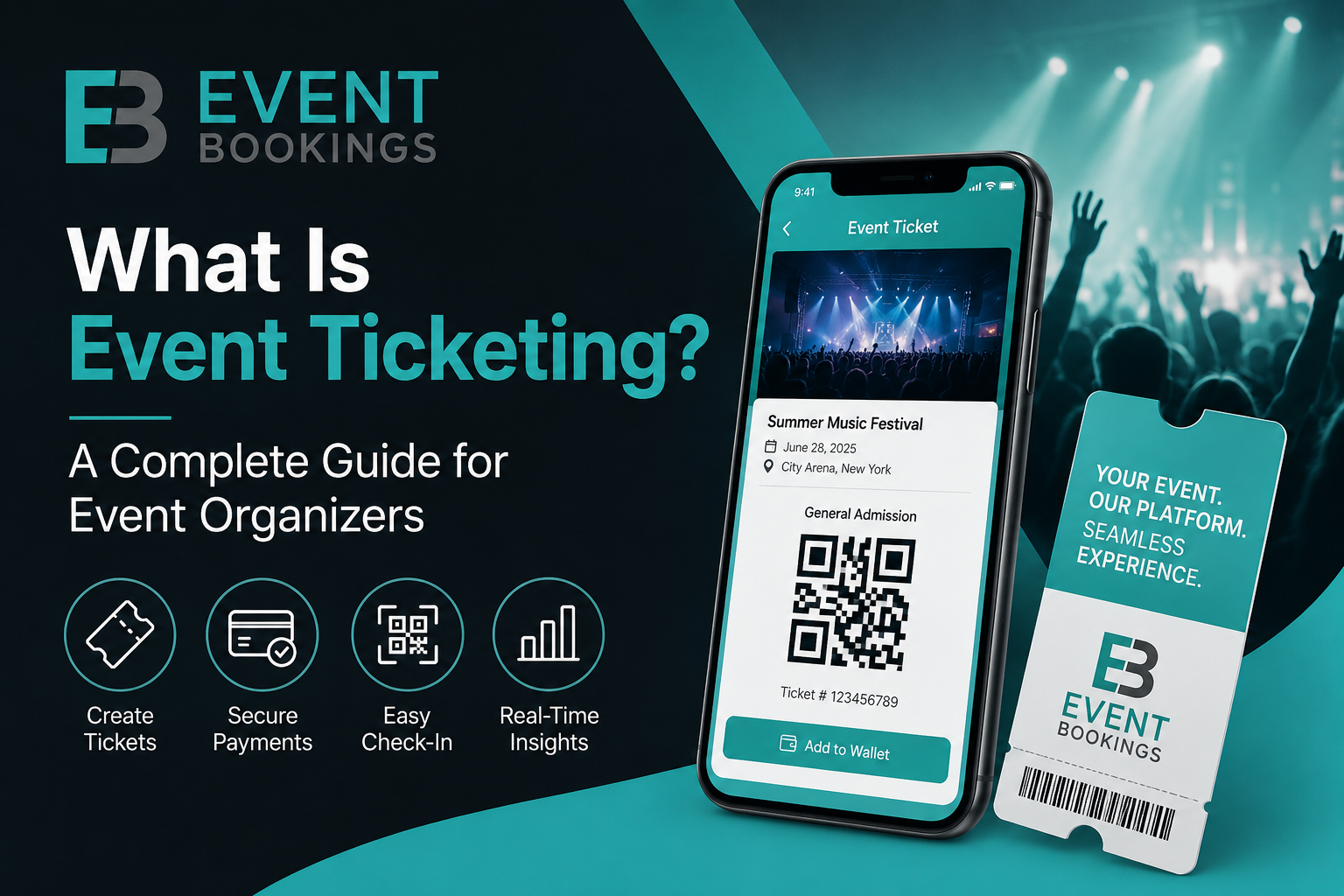
Planning a successful event takes more than just picking a venue and sharing your agenda. Event ticketing is a key part of event management. It lets attendees register, buy tickets, enter, and take part in your event from beginning to end.
No matter what type of event you are planning—conference, seminar, workshop, fundraiser, festival, concert, community, or virtual—the right ticketing system can have a big impact on attendee experience, revenue, and how smoothly things run.
In this guide, we’ll cover what event ticketing is, how it works, its benefits, what features to look for, and how to pick the right ticketing platform for your event.
What Is Event Ticketing?
Event ticketing means creating, selling, managing, and checking tickets for an event. Today’s ticketing systems let organizers sell tickets online, take payments, manage registrations, track sales, and make check-ins easier with tools like QR codes and mobile tickets.
In the past, ticketing often relied on printed tickets and manual sign-ups. Now, organizers use digital platforms to automate these tasks, cut down on paperwork, and give attendees a smoother experience.
In short, event ticketing connects organizers and attendees by making sure registrations, payments, communication, and event access all run smoothly.
Why Event Ticketing Matters
Event ticketing does more than just collect payments. It’s the backbone of your event, helping organizers to:
- Generate and manage ticket revenue
- Track registrations in real time
- Collect attendee information
- Prevent ticket fraud and duplication
- Improve event entry and check-in processes
- Monitor attendance and event performance
- Gather meaningful insights for future events
Modern ticketing systems also offer reports and analytics, helping organizers make decisions based on real data at every stage of the event.
How Does Event Ticketing Work? A Step-by-Step Breakdown
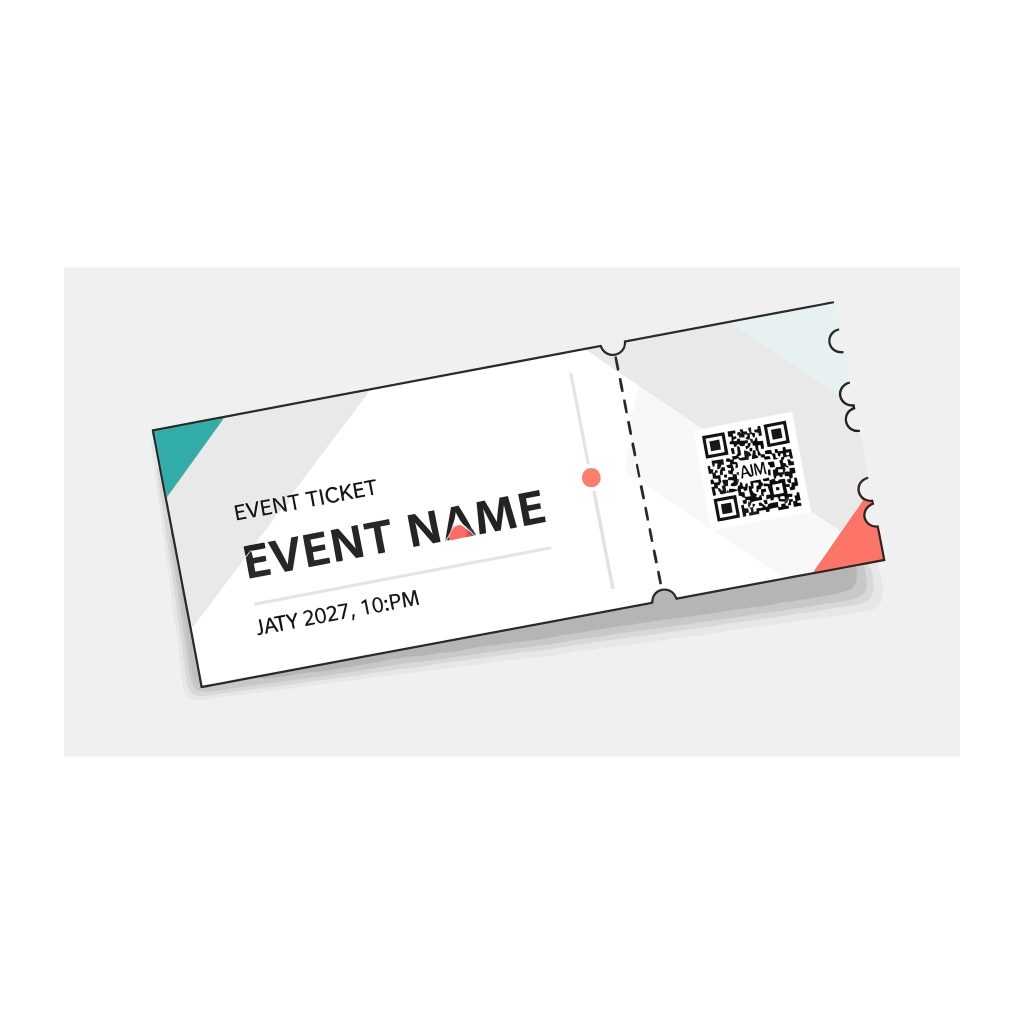
Understanding how an event ticketing system works helps you set yours up better. Here’s what the process usually looks like:
1. Event Setup: The organizer creates the event on a ticketing platform, adding details like the event name, description, date, time, location, ticket types, pricing and capacity. This is also where you set rules for ticket limits, sales periods, terms and policies and who can see the event.
2. Ticket Creation: Set up your ticket types and prices. These could include general admission, VIP, early-bird, group registrations, student tickets, complimentary tickets, add-ons such as merchandise or meet-and-greet passes, or tickets for specific sessions. You can also add promo codes and discounts here.
3. Sales Go Live: After you publish the event page, attendees can look at, choose, and buy tickets online. A good ticketing page encourages quick action, shows the value, and makes checkout easy.
4. Payment Processing: The system handles payments securely, records each sale, and sends the money to the organizer’s account. Refunds and payout schedules are managed here too.
5. Confirmation and Ticket Delivery: Immediately after purchase, attendees receive a confirmation email containing their digital ticket — usually in the form of a unique QR code or barcode — which they’ll use for entry.
6. Check-In and Entry Validation: On event day, staff use a mobile app or scanner to check tickets at the door. The system instantly validates tickets, updates attendance records, and prevents duplicate entries.
7. Post-Event Reporting: After the event, organizers can see ticket sales data, attendance numbers, revenue performance, registration trends and refund records. This information helps with future planning and shows value to stakeholders.
When each of these stages is handled by a single integrated platform, the process feels invisible. When it’s patched together with spreadsheets and manual processes, it’s a recipe for errors.
Types of Event Ticketing
Not all events have the same ticketing needs. Here are the most common ticket structures event organisers use:
General Admission (GA) The most straightforward ticket type — one price, one level of access. Best suited for standing events, community gatherings, or any event where all attendees have the same experience.
Reserved Seating Attendees choose a specific seat at the time of purchase. Requires the platform to support seat mapping. Common for theatres, gala dinners, sporting events, and concerts.
Tiered Pricing Multiple price points offer different levels of access or experience — for example, Standard, Premium, and VIP. This strategy encourages attendees to self-select based on budget and interest, and is capable of significantly increase average revenue per ticket.
Early Bird Tickets Time-limited discounts that reward early buyers and generate urgency. Early bird pricing also helps organisers validate demand before committing to final venue or vendor contracts.
Group Tickets Discounted pricing for bulk purchases, frequently requiring a minimum quantity. Effective for conferences, networking events, or family-friendly activities.
Timed Entry Tickets allocated to particular time slots, controlling crowd flow throughout the day. Critical for attractions, exhibitions, and seasonal events like pumpkin patches or Christmas light displays.
Bundled Tickets / Add-Ons Attendees can purchase enhancements alongside their base ticket — merchandise, parking, catering packages, VIP experiences, or access to additional sessions. This boosts per-head revenue without requiring additional events.
Free Tickets / RSVPs Even free events benefit from a ticketing system to manage capacity, collect attendee data, and reduce no-shows through commitment confirmation.
Benefits of Event Ticketing Software
1. Simplified Event Management
Ticketing software automates repetitive administrative tasks including registrations, ticket generation, payment processing, and attendee communication.
This lets organizers focus on running a great event instead of dealing with spreadsheets and manual tasks.
2. Increased Revenue Opportunities
Modern ticketing platforms support:
- Early bird pricing
- Discount campaigns
- Upselling opportunities
- Add-on purchases
- Merchandise sales
- Donation collection
These features can help boost your event’s total revenue.
3. Better Attendee Experience
Attendees expect convenience.
Easy registration, mobile ticket delivery, secure payments, and fast entry all help make a good first impression and improve overall event satisfaction.
4. Real-Time Visibility
Organizers can see live sales and attendance data, which helps them adjust marketing and make smart decisions before the event starts.
5. Enhanced Security
Digital ticketing systems reduce the risk of fraud through:
- Unique ticket identifiers
- QR codes
- Barcode validation
- Real-time check-in synchronization
These features make sure that only people with valid tickets can enter.
6. Centralized Data Management
A ticketing platform keeps all attendee information in one place, so it’s easier to manage sign-ups, communication, marketing, and follow-ups after the event.
Key Features to Look for in an Event Ticketing Platform
Choosing the right platform is one of the most consequential decisions you’ll make in your event planning process. Here’s what to evaluate:
Event Page Builder
Your ticketing page is often the first effect potential attendees have of your event. Look for a platform that lets you customise the design, add images and video, and match your brand identity — not one that forces you into a generic template.
Flexible Ticket Configuration
The platform should support multiple ticket types, tiered pricing, time-based sales windows, capacity limits per ticket tier, and bundle/add-on options. The more flexibility you have, the more strategically you can structure your sales.
Secure Payment Processing
Look for PCI-compliant payment processing, multiple payment method support (credit card, debit, digital wallets), transparent fee structures, and a clear payout schedule. Understand exactly what you’re paying in service fees and credit card processing fees — and whether those fees are absorbed by you or passed on to buyers.
Promo Codes and Discount Tools
The ability to create discount codes, early bird pricing, group rates, and expiring promotions gives you powerful levers to drive urgency along with boost attendance.
Mobile Scanning and Check-In App
On event day, your check-in process needs to be fast and reliable. Look for a native mobile app or scanner that works offline, validates QR codes in real time, and syncs attendance data instantly.
Real-Time Reporting and Analytics
Sales dashboards, attendance tracking, revenue summaries, and downloadable reports are mandatory for any organiser who needs to stay on top of performance — before, during, and after the event.
Integrations
Your ticketing platform shouldn’t operate in a silo. Look for integrations with email marketing tools, CRM systems, accounting software, and social media platforms. When your systems communicate, you save time and diminish the risk of database errors.
Customer Support
When something goes wrong on the day of your event — and eventually, something will — you need a responsive support team. Check whether the platform offers phone, chat, or email support, and what the expected response time is.
Common Challenges in Event Ticketing
Even with modern technology, event organizers may encounter challenges such as:
Ticket Fraud
Counterfeit tickets and duplicate registrations can create operational problems.
Last-Minute Registrations
Many attendees now wait until close to the event date before purchasing tickets, making forecasting more difficult.
Complex Pricing Frameworks
Managing multiple ticket tiers, discounts, and promotional offers requires a flexible system.
Data Management
Without centralized tools, attendee information could become fragmented across multiple systems.
Choosing a strong ticketing platform helps reduce these challenges and makes your operations run better.
How to Choose the Right Event Ticketing Platform
When evaluating ticketing solutions, consider the following:
Understand Your Event Requirements
Determine:
- Event size
- Event type
- Ticket volume
- Budget
- Registration complexity
Evaluate User Experience
The purchasing process should be intuitive and mobile-friendly.
Compare Pricing Models
Review platform fees, payment processing charges, and any additional costs carefully.
Check Integration Features
Make sure the platform connects with your existing marketing, CRM, accounting, and event management tools.
Review Reporting Features
In-depth analytics help improve performance and prospective planning.
Assess Support and Reliability
Choose a provider with strong customer support and proven platform stability.
The Future of Event Ticketing
Event ticketing goes on evolving as technology advances.
Emerging trends include:
- Contactless event entry
- Mobile-first ticketing experiences
- AI-powered pricing methods
- Advanced attendee personalization
- Enhanced fraud prevention technologies
- Seamless integrations with event management ecosystems
- Greater support for hybrid and virtual events
As attendee expectations continue to rise, organizers who adopt modern ticketing solutions will be more likely to supply exceptional event experiences.
Why EventBookings Is Built for the Way You Work
EventBookings is designed for event organisers who need more than just a payment page. From fully customisable event pages and flexible ticket configurations to real-time sales dashboards and smooth check-in tools, EventBookings puts professional-grade ticketing capabilities in your hands — without the complexity or cost of enterprise platforms.
Whether you’re hosting one community event or managing many, EventBookings grows with you. Our clear fee structure means no surprises, our support team is ready to help, and our platform works with the tools you already use.
Ticketing should work for your event — not the other way around.
Final Thoughts
Event ticketing is no longer simply about selling access to an event. It has become an essential part of event planning, attendee engagement, revenue management, and operational success.
A powerful event ticketing system can automate registrations, improve attendee experiences, supply valuable business insights, and help organizers maximize event revenue.
Whether you’re hosting a small workshop, a large conference, a fundraising gala, or a virtual event, investing in the right ticketing solution will help you create a more efficient, professional, and successful event.
With the right platform in place, event organizers can spend less time managing logistics and more time delivering notable experiences that attendees will want to return to year after year.