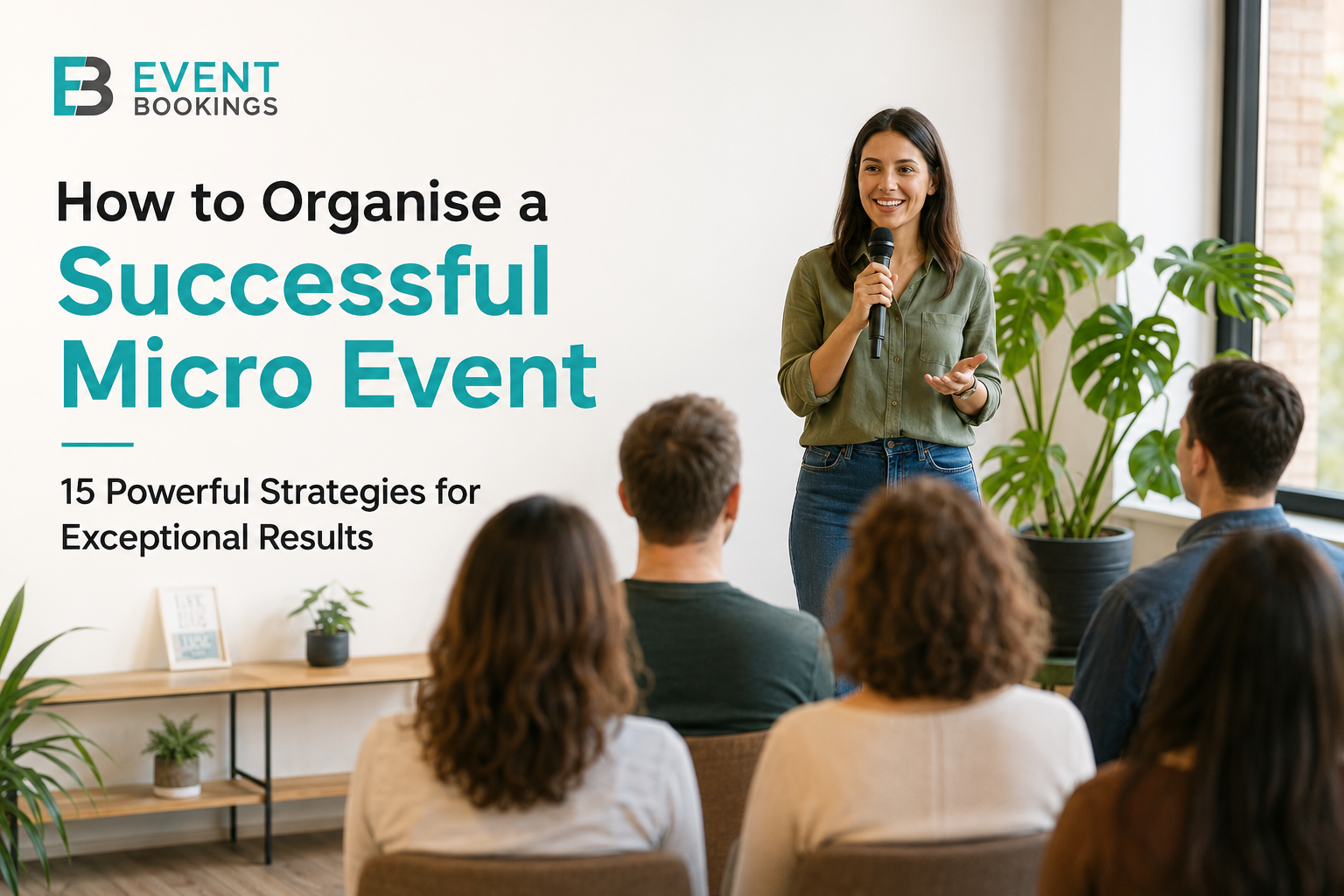
Planning a small event may sound easy at first glance, but anyone who has organised one knows the truth. A micro event demands careful planning, strong communication, creative thinking, and flawless execution. The good news? When done properly, micro events can create stronger audience connections and better engagement than large-scale conferences.
This guide explains exactly how to organise a successful micro event using proven strategies, modern event trends, and practical planning tips.
Understanding What a Micro Event Is
A micro event is a small-scale gathering designed to create meaningful interaction between attendees. Unlike large conferences or crowded expos, micro events focus on intimacy, personalised experiences, and high-quality engagement. Most micro events host anywhere between 10 and 100 people, although the exact number can vary depending on the purpose and venue.
Recent, more businesses, creators, schools and communities have chosen smaller events because people seek authentic experiences. Large events regularly hinder networking and meaningful conversations, while micro events enable sincere connections.
Examples of micro events include:
- Networking meetups
- Seminars and educational programs
- Local assemblies
- Product launch events
- VIP customer experiences
- Wellness classes
- Creative masterclasses
- Industry roundtables
Micro events are effective because smaller groups make participation easier. Attendees feel more comfortable asking questions, joining discussions, and meeting others in a welcoming setting.
According to recent event industry trends published by Bizzabo, attendees now prioritise meaningful engagement and personalised experiences over event size. This shift has completely transformed modern event planning.
Micro events are also very flexible. Organisers can try out different venues, creative themes, and interactive ideas without needing a big budget. Instead of worrying about large setups, planners can focus on making attendees happy and building relationships.
Cost savings are an added key advantage. Smaller venues, simpler planning and targeted marketing make micro events affordable yet effective. Many businesses now host several small events each year instead of one large conference.
To organise a successful micro event, remember that these are not just smaller versions of big conferences. They need a different approach. Success comes from making every attendee feel included, valued, and involved.
Defining Your Event Goals Clearly
Every successful event starts with clear goals. Without a defined purpose, events risk becoming disorganised and ineffective. Establish your objectives before selecting a venue or promoting tickets.
Many organisers jump directly into logistics without thinking strategically. That’s like building a house without a blueprint. You may eventually create something, but it probably won’t function properly.
Start by asking yourself:
- What do I want attendees to gain?
- What outcome am I hoping to achieve?
- Who is this event designed for?
- How will success be measured?
Your goals could include:
- Generating business leads
- Building community engagement
- Educating attendees
- Increasing brand awareness
- Launching a new product
- Strengthening customer relationships
- Encouraging networking opportunities
Clear goals influence every major decision you make throughout the planning process. For example, if networking is your primary objective, your event should include interactive activities, conversation spaces, and plenty of time for attendee interaction. If education is the focus, then workshops, presentations, and learning materials become more important.
Measurable objectives are equally essential. Instead of vague goals like:
- We want attendees to enjoy themselves
Use specific targets such as:
- Achieve 90% attendee satisfaction
- Generate 50 qualified leads
- Increase community memberships by 20%
The more measurable your objectives are, the easier it becomes to evaluate event success later.
Understanding your audience is another critical piece of the puzzle. A successful micro event feels highly relevant to attendees because it addresses their interests, challenges, and goals directly. Research your audience demographics, preferences, and behaviours carefully.
Examine factors like:
- Age range
- Industry or profession
- Interests and hobbies
- Preferred communication channels
- Networking expectations
- Study preferences
Audience-focused planning helps create stronger engagement because attendees feel the event was specifically designed for them.
One common mistake is trying to appeal to everyone. In reality, micro events thrive when they target a niche audience with highly relevant content. A focused event almost always performs better than a broad, generic one.
When learning how to organise a successful micro event, remember this simple principle: clarity creates confidence. When your goals are clear, your attendees, sponsors, speakers, and team members all understand the purpose behind the experience.
Choosing the Best Event Format
The event format shapes attendee interaction, content delivery, and overall atmosphere. The wrong format can make even a well-planned event feel awkward or disconnected.
There are three primary event formats that are commonly used today:
- In-person events
- Online events
- Hybrid events
Each format has clearly advantages and challenges.
In-Person Micro Events
Face-to-face meetings remain popular, because face-to-face interaction encourages greater emotional connections. People communicate more effectively in physical places, where body language and energy are present.
Popular in-person formats are:
- Networking breakfasts
- Hands-on workshops
- Community meetups
- Small conferences
- Wellness sessions
- Team-building activities
A key benefit of in-person events is immersive engagement. Attendees feel more present and emotional connected through direct interaction with speakers and participants.
The venue atmosphere greatly shapes the event experience. Unique spaces like cafes, studios or rooftop venues can make gatherings memorable.
Virtual and Hybrid Event Options:
Online events have increased in popularity and remain highly relevant. They offer:
- Lower operating expenses
- Wider audience reach
- Greater accessibility
- Easier scalability
Modern virtual platforms feature breakout rooms, live chats, polls, gamification and AI-driven networking tools to enhance engagement.
Hybrid events combine in-person and online participation, enabling organisers to reach larger audiences while maintaining the intimacy of physical interaction.
The best format depends on numerous factors:
- Budget
- Audience choices
- Event objectives
- Geographic reach
- Technology availability
- Networking importance
For example:
- A hands-on workshop works in person better.
- A global training session may work better virtually.
- A professional conference may benefit from hybrid accessibility.
Flexibility is vital. As event trends change, organisers should be flexible and open to new approaches.
Micro events allow organisers to test ideas quickly. Smaller audiences and lower costs make it easier to improve concepts, formats and interaction strategies.
When deciding how to organise a successful micro event, remember that the format should always serve the attendee experience first. Technology, logistics, and scheduling all matter — but meaningful human connection remains the true goal.
Building a Realistic Event Budget
Budgeting can make or break an event. Even small gatherings require careful financial management. Many organisers assume that micro events are automatically inexpensive, but costs can add up surprisingly quickly without proper preparation.
A practical budget helps you.
- Control expenses
- Prevent overspending
- Allocate resources productively
- Avoid monetary surprises
- Measure event ROI accurately:
Your budget should focus more on the attendee experience than on unnecessary extravagance. People rarely remember expensive decorations, but they always remember uncomfortable seating, poor organisation, or technical problems.
Here are the most common micro event expenses:
| Expense Category | Importance |
| Venue Hire | High |
| Catering | Medium to High |
| Marketing | Medium |
| Event Technology | High |
| Audio/Visual Equipment | High |
| Staffing | Medium |
| Decorations | Low |
| Photography | Medium |
| Speaker Fees | Variable |
One of the smartest budgeting strategies is prioritisation. Spend money where it creates the biggest impact. For example:
- Comfortable seating improves attendee satisfaction
- Reliable Wi-Fi supports engagement
- Good sound quality improves presentations
- Strong lighting enhances atmosphere
At the same time, avoid overspending on things attendees may barely notice.
Ways to Reduce Event Costs
There are many creative ways to lower costs without sacrificing quality:
- Partner with local businesses
- Use community venues
- Seek sponsorships
- Offer digital materials instead of printed brochures
- Use online registration tools
- Simplify catering options
Many successful micro events thrive because of authenticity rather than luxury. A thoughtfully organised event in a unique local venue can feel far more memorable than an expensive but generic conference room.
Technology also helps significantly reduce costs. Modern event management platforms streamline ticketing, communication, attendance tracking and scheduling. Automation reduces manual work while improving efficiency.
Always include a contingency budget as well. Unexpected expenses happen at nearly every event. A backup fund provides flexibility if issues arise.
One golden rule when learning how to organise a successful micro event is this: attendees judge value based on experience, not event size. A smaller event with excellent engagement and smooth organisation often outperforms massive conferences with weak attendee interaction.
Choosing the Ideal Location:
The venue is the physical foundation of your event journey. It shapes the attendee’s emotions, influences energy levels and influences overall comfort. Choosing the wrong venue can create logistical problems and damage engagement, while the right venue can instantly improve the entire experience.
Micro events benefit enormously from unique and thoughtfully selected spaces. Since attendee numbers are smaller, organisers have more flexibility to experiment with creative venues rather than relying on traditional conference halls.
Popular venue options include:
- Coworking spaces
- Rooftop lounges
- Art galleries
- Cafés
- Boutique hotels
- Creative studios
- Outdoor gardens
- Community hubs
The venue should align naturally with your event goals and audience expectations. For example:
- A startup networking event may suit an industrial coworking space.
- A wellness workshop may fit a peaceful outdoor setting.
- A luxury brand launch may require a premium boutique venue.
Venue size matters enormously. Oversized rooms often kill energy and reduce intimacy. A packed room is exciting. A half-filled room feels uncomfortable.
Venue Layout and Atmosphere
Layout directly affects attendee behaviour. Open spaces encourage mingling, while theatre-style seating creates a more presentation-focused environment.
Consider:
- Networking areas
- Seating comfort
- Lighting quality
- Acoustics
- Air conditioning
- Restroom access
- Food and beverage setup:
Atmosphere influences emotion more than many organisers realise. Warm lighting, comfortable furniture and considerate design can immediately make attendees feel relaxed and engaged.
Accessibility and Technology Needs
Accessibility should never be overlooked. Your venue must accommodate all attendees comfortably.
Important considerations include:
- Parking availability
- Public transport access
- Wheelchair accessibility
- Visible signage
- Reliable internet
- Power outlets
- Presentation equipment
Technology readiness is particularly important for hybrid or interactive events. Technical failures quickly create frustration, so test equipment thoroughly before event day.
The venue often becomes part of the story attendees remember. A distinctive location creates emotional connection and increases social media sharing naturally.
Learning how to organise a successful micro event means recognising that venue selection is not simply logistical — it’s experiential. The right space supports engagement, enhances comfort, and strengthens the overall atmosphere of your event.
Creating an Interactive Event Experience:
Engagement is at the heart of every great micro event. People come to events to learn, connect, share ideas, and to have a meaningful experience. If attendees feel left out or bored, even the best-looking event will not be memorable.
Micro events are great for engagement because small groups make it easier for people to join in. Unlike big conferences where people can get lost in the crowd, smaller events give everyone a chance to interact.
Networking and Audience Participation:
Good engagement starts with planning ways for people to interact. Instead of pushing attendees into awkward chats, set up natural chances for them to connect.
Effective participation strategies include:
- Icebreaker activities
- Group discussions
- Live Q&A sessions
- Hands-on workshops
- Roundtable conversations
- Collaborative exercises
- Polls and live voting:
Networking is a big reason people come to micro-events. Attendees want real conversations, not only small talk. Comfortable seating, guided introductions and planned networking meetings can enhance interactions much better.
Personalisation Strategies
Modern audiences expect personalised experiences. Small touches can make attendees feel genuinely valued:
- Personal welcome emails
- Custom name tags
- Tailored event agendas
- Curated networking matches
- Follow-up resources
People remember how events make them feel. Emotional connection matters far more than flashy production.
One major trend in the event industry is “experience-first planning.” Organisers are moving beyond traditional lectures and focusing more heavily on immersive participation. Attendees want to feel involved rather than simply watching presentations.
Timing also plays a huge role in engagement. Avoid overloading schedules with nonstop activities. People need breaks to absorb information and build relationships naturally.
When planning how to organise a successful micro event, focus less on impressing attendees and more on involving them. The best events don’t feel like performances — they feel like shared experiences.
Marketing Your Micro Event Effectively
Marketing determines whether people find your event in the first place. Even an incredible event can fail without a proper promotion. Successful event marketing builds anticipation, excitement and trust before the attendees ever arrive.
Micro-events have a unique marketing advantage: exclusivity. Limited capacity creates urgency and increases perceived value.
Effective promotion channels include:
- Social media
- Email marketing
- Community partnerships
- Industry groups
- Influencer alliances
- Referral programs
Social Media Promotion
Social media works particularly well for micro events because smaller assemblies often generate visually engaging and authentic experiences.
Useful social media strategies include:
- Backstage content
- Speaker introductions
- Countdown posts
- Event teasers
- User-generated content
- Live updates
Short-form video content performs particularly well for event promotion because it quickly creates emotional excitement.
Email Marketing Campaigns
Email marketing remains one of the highest-converting event marketing strategies. Personalised invitations and segmented campaigns can improve attendance significantly.
Good email campaigns should include:
- Clear event benefits
- Speaker highlights
- Venue information
- Registration links
- Countdown reminders
Authenticity matters tremendously. People connect with stories and experiences more than generic advertisements.
Learning how to organise a successful micro event also means understanding your audience’s motivations. People don’t attend events simply because they exist. They attend because they expect value, opportunity, connection, or transformation.
Managing Registrations and Attendees
The attendee journey begins long before event day. Registration is often the first real interaction people have with your event, so it should feel smooth, professional, and welcoming.
Modern attendees expect:
- Mobile-friendly registration
- Simple payment options
- Instant confirmation emails
- Easy ticket access
- Clear communication
Complicated registration processes increase drop-off rates dramatically.
Good event management systems help the organisers:
- Track ticket sales
- Monitor attendance
- Send reminders
- Collect attendee data
- Manage check-ins
- Handle cancellations
Communication is also important. Regular updates help build expectation and reduce confusion.
Useful attendance communications include:
- Event reminders
- Venue directions
- Parking information
- Agenda updates
- Networking opportunities
No-show management also counts. Interestingly, free events often experience greater no-show rates than paid ones. Even a small ticket fee can increase commitments significantly.
Event Day Coordination and Execution
Event day is when preparation meets reality. Successful execution depends on organization, communication and adaptability.
Create a comprehensive checklist covering:
- Venue setup
- Technology testing
- Registration management
- Speaker coordination
- Catering schedules
- Staff responsibilities
Technical rehearsals are especially important for hybrid and virtual elements.
Flexibility is essential because unexpected issues always arise. Strong organisers stay calm, solve problems quickly, and maintain positive attendee energy throughout the event.
Attendee experience should remain the top priority at every stage of execution.
Frequently Asked Questions
Most micro events host between 10 and 100 attendees. The ideal size depends on your goals, venue, and desired level of interaction.
Costs vary widely depending on venue, catering, technology, and marketing. Many micro events can be organised affordably with careful budgeting and local partnerships.
Yes. Virtual micro events can deliver excellent engagement when designed with interactive tools, breakout rooms, and audience participation features.
Most micro events require 1 to 3 months of preparation depending on complexity and audience size.
Coworking spaces, cafés, boutique hotels, art studios, and community centres are all popular options.
People increasingly prefer personalised experiences, meaningful networking, and authentic interaction over crowded large-scale events.
Conclusion
Understanding how to organise a successful micro event is about much more than logistics. It’s about creating meaningful human experiences that leave lasting impressions. Small events offer powerful opportunities for deeper engagement, stronger networking, and more personalised attendee interaction.
From formulating clear goals and selecting the right venue to marketing effectively and delivering memorable experiences, every detail contributes to the overall success. The most effective micro events focus on quality over quantity and on connection over scale.
As the event industry continues evolving, micro events will likely become even more important because audiences increasingly value authenticity, relevance, and community. With thoughtful planning and attendee-focused execution, even a small event can create enormous impact.