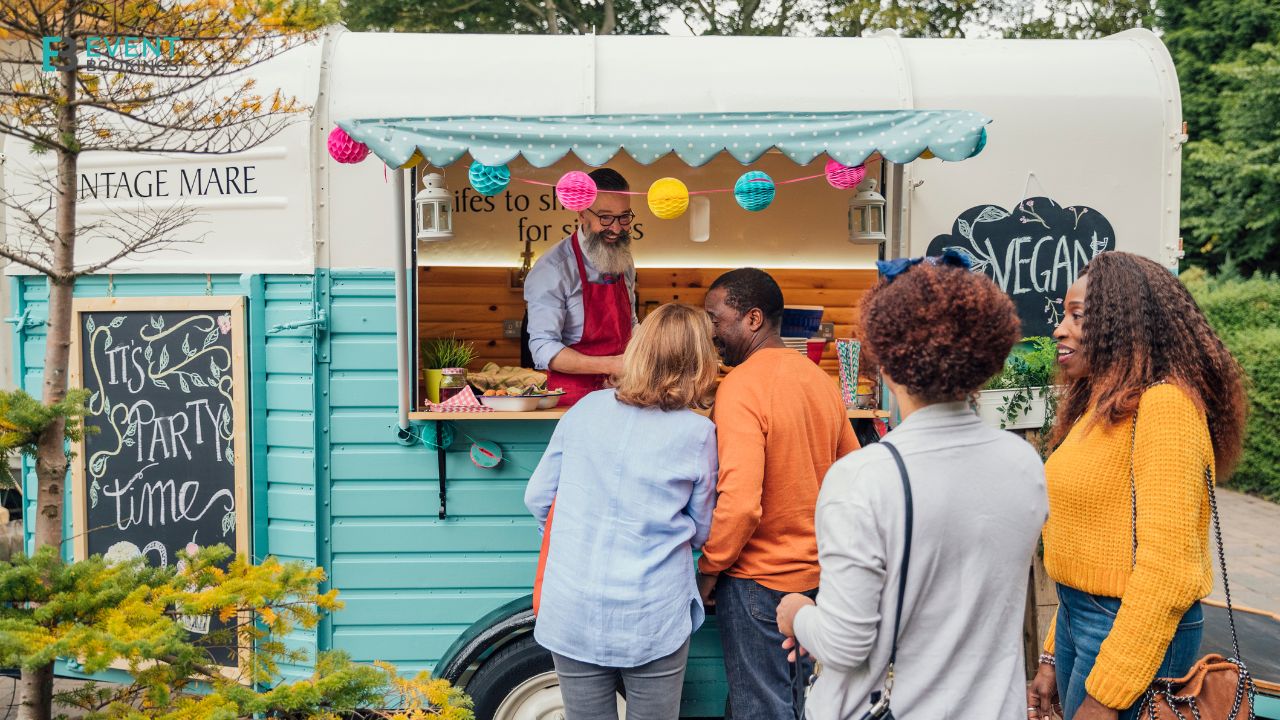
Whether you’re planning a wedding, birthday bash, corporate gathering, or a community festival, food trucks have become one of the most exciting catering options around. They bring personality, flexibility, and genuinely great food — all without the price tag of a full-service caterer. But before you book the first taco truck you find on Instagram, there’s a lot to consider. This guide covers everything you need to know to pull it off perfectly.
Why Food Trucks Are a Great Choice for Events
Food trucks aren’t just a trend — they’ve grown into a multi-billion dollar industry, and for good reason. They work across almost every event type, from intimate backyard birthdays to large-scale corporate festivals.
Here’s why event organisers love them:
They’re flexible: Food trucks come to you. Whether your event is in a park, a warehouse, a beachside lot, or a rooftop, a food truck can set up almost anywhere with enough space and power access.
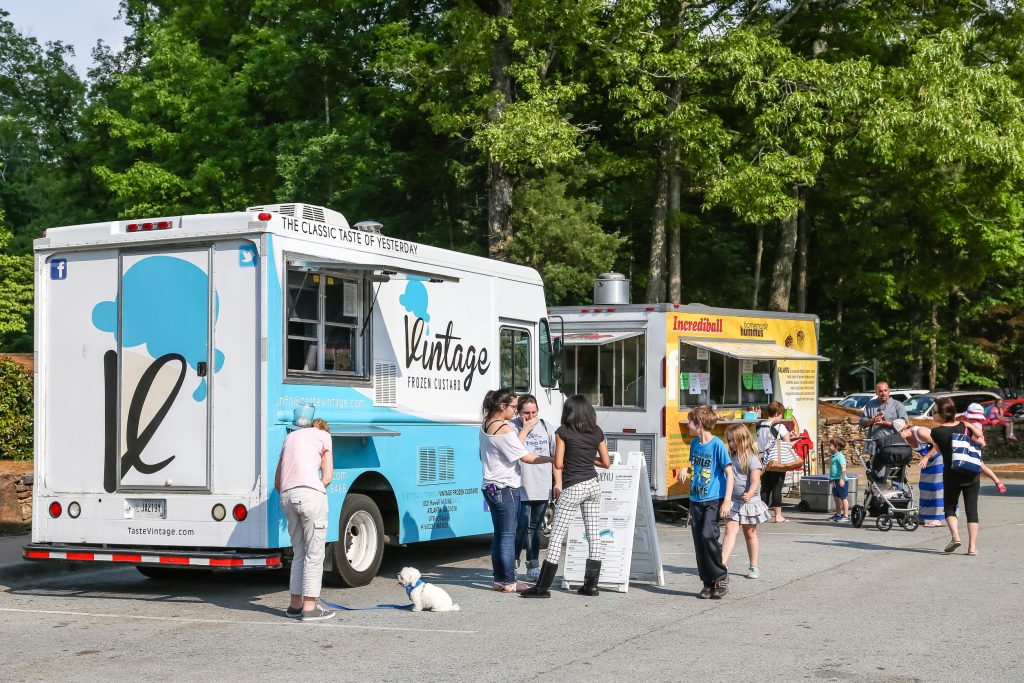
They create an experience: Guests don’t just eat — they queue, chat, watch the kitchen work, and feel part of something happening. That energy is hard to replicate with a buffet table.
They’re more affordable than traditional catering: While costs vary, food truck catering is generally significantly cheaper than sit-down restaurant-style catering. For weddings in particular, food truck catering per head can be notably less expensive compared to a traditional caterer, giving you more budget for other elements of the day.
They handle their own setup and breakdown: Most food trucks are self-contained units. They bring the kitchen, the staff, and often their own power — meaning less logistics for you.
What Types of Events Work Best with Food Trucks?
Almost any event can benefit from a food truck, but some settings are an especially natural fit:
Weddings — Couples increasingly choose food trucks as a relaxed, memorable alternative to formal catering. A wood-fired pizza truck, a gourmet burger van, or a dessert truck serving artisan ice cream can become a genuine talking point of the day. Multiple trucks covering different courses (mains, desserts, late-night snacks) is a popular format.
Birthday parties — Food trucks remove the stress of planning menus and hiring kitchen staff. Guests can order what they want, dietary needs are easily accommodated, and the truck itself becomes part of the party atmosphere.
Corporate events — From staff appreciation days to client entertainment, food trucks add an informal, modern feel that employees respond well to. They’re particularly effective for outdoor summer events or company away days.
Festivals and community events — Larger events often bring in multiple trucks to give attendees variety. In this model, guests pay individually rather than having the event organiser foot the bill.
Markets and pop-up events — Food trucks pair naturally with artisan markets, charity events, and public outdoor gatherings.
How Much Does It Cost to Hire a Food Truck?
Cost is a common question, and it can vary significantly. The following are the main factors that influence pricing.
Per-Head Pricing
For private events where the organiser pays, costs typically range from AUD $30 to $70 per person in the AU, with similar pricing elsewhere. Lower prices reflect simpler menus and smaller events, while higher prices are associated with premium menus, complex logistics, or major city locations.
Most food trucks require a minimum spend or booking fee, typically between AUD $800 and $3,000 depending on the operator and location. This ensures operators cover their costs for smaller events.
Factors That Affect Price
Location: Hiring a food truck in major cities such as London is generally more expensive due to higher ingredient costs, staff wages, and permit fees. In rural areas, travel surcharges may apply if trucks must travel longer distances.
Menu complexity: Dessert-only trucks usually cost less per person than those serving full meals with sides. Menus with multiple courses or elaborate dishes are at the higher end of the price range.
Event duration: Most trucks quote for a set service window, typically two to four hours. Longer events may incur additional fees.
Day of the week: Weekend and evening events — particularly Saturdays — are peak times, and pricing often reflects that.
Number of guests: Larger guest counts can sometimes bring the per-head cost down, as the fixed costs (travel, setup, staffing) are spread across more people.
Pricing Models
There are three main ways food truck bookings are typically structured:
Full catering model — The event organiser pays the truck to feed all guests. This is the most common structure for weddings, birthday parties, and corporate events. The truck provides a set menu for an agreed number of people.
Attendee-pay model — Common at festivals and public events where multiple trucks are present. Guests order and pay for their own food directly. The truck may pay the event organiser a pitch fee or a percentage of takings.
Guaranteed minimum — Sometimes used alongside the attendee-pay model. The organiser agrees to guarantee a minimum spend, covering the shortfall if sales don’t reach that threshold.
How to Book a Food Truck: Step by Step
1. Start Early
Popular food trucks — especially those with a strong reputation or distinctive menu — book up fast, particularly for weekends in summer. Aim to start your search at least two to three months in advance for smaller events, and six months or more for weddings and large gatherings.
2. Get Clear on Your Requirements
Before you start reaching out to operators, nail down the basics:
- Approximate guest count
- Event date, start time, and end time
- Venue address and any access restrictions (narrow lanes, low bridges, no mains power, etc.)
- Catering style — full meal, snacks, desserts, or a combination
- Any dietary requirements (vegan, gluten-free, halal, etc.)
- Budget range
Having this information ready will get you much more accurate quotes, and operators will take your enquiry more seriously.
3. Find Your Truck
There are several ways to find food trucks for hire:
- Food truck directories and booking platforms — Sites and apps dedicated to connecting event organisers with operators make it easy to browse options, check availability, and compare quotes.
- Social media — Instagram in particular is a great place to find local food trucks, see their food, and gauge their following and reputation.
- Local events — If you’ve eaten at a truck at a market or festival and loved it, ask them directly about private hire.
- Word of mouth — Recommendations from friends, colleagues, or venue coordinators are often the most reliable route.
4. Ask the Right Questions
When you contact operators, go beyond just asking for a price. Key questions to ask include:
- Do you have public liability insurance? (Non-negotiable — any reputable operator will have this.)
- Do you hold all required food hygiene certifications?
- What are your power and space requirements?
- Do you handle permits and licences for the event, or is that the organiser’s responsibility?
- What does your minimum spend or booking fee look like?
- Can you accommodate dietary requirements (vegan, halal, gluten-free, nut-free)?
- What happens if you need to cancel or reschedule?
- Do you offer a tasting session?
5. Confirm Logistics with Your Venue
Check with your venue before confirming the booking. Key things to confirm include:
- Is there sufficient space for the truck to park and operate (most trucks need a clear area of at least 6 x 3 metres, often more)?
- Is there vehicle access — wide enough entry points, no low-clearance obstacles?
- Is there a power source, or does the truck need to run on its own generator?
- Are there any noise restrictions that could affect the truck’s equipment?
- Does the venue have rules around external caterers?
6. Sort Permits and Permissions
Depending on your event type and location, permits may be required. For private events on private land, this is usually straightforward. For public events or those on public land, the operator may need a street trading licence or temporary food business registration. Clarify in advance who is responsible for obtaining each permit.
7. Confirm and Get It in Writing
Once all details are agreed, including menu, headcount, timings, pricing, minimum spend, and cancellation policy, ensure everything is documented in a contract. Pay any required deposit and retain all correspondence.
How Many Food Trucks Do You Need?
Generally, one food truck can serve approximately 150 to 200 guests within a two to three hour service window, depending on menu complexity and service speed. More elaborate dishes or larger portions may increase service time. what one truck can handle comfortably, consider:
- Booking two trucks from the same operator (if they have multiple)
- Booking two trucks with complementary menus (e.g. one savoury, one dessert)
- Staggering service times if your event has a natural break
For large events with 500+ guests, multiple trucks covering different cuisines is both practical and a feature in itself — guests enjoy the variety.
Tips for Making It a Success
Communicate clearly with your guests: Let people know food truck catering is the plan, especially for events like weddings where guests might have different expectations. If there will be queuing time, set that expectation in advance.
Plan for the queue: Even efficient trucks can see a rush when service opens. Stagger service times if possible, or have drinks and canapés circulating while the main food is being served to keep guests happy.
Think about the flow: Position the truck where it can be accessed easily without creating a bottleneck. Make sure there’s nearby space for guests to stand and eat, and consider whether you need tables and chairs or whether a standing casual setup works for your event.
Check the weather (and have a backup plan): Food trucks are generally fine to operate outdoors in light rain, but a sustained downpour is miserable for guests queuing. A covered area nearby or a contingency plan is worth thinking through.
Confirm dietary needs in advance: Share any significant dietary requirements — particularly allergies — with the truck operator well ahead of the event so they can plan appropriately.
Don’t forget extras: Cutlery, napkins, and condiments are usually provided by the truck, but it’s worth confirming. If you’re having a sit-down element, think about whether you need tables, tablecloths, or rubbish bins nearby.
Common Mistakes to Avoid
Booking too late: The best trucks fill up quickly. Don’t leave it until six weeks before a summer wedding to start your search.
Underestimating your guest count: Always give the operator your realistic maximum, not your optimistic minimum. Running short of food is far worse than having a little extra.
Ignoring access logistics: A truck that can’t get to your venue is useless. Measure entry points and check overhead clearance before you fall in love with a particular operator.
Skipping the contract: Verbal agreements leave you exposed. Always get everything in writing, including what happens if they cancel.
Forgetting about licences: This is especially important for public events. The last thing you want is a truck being turned away by a council inspector on the day.
Final Thoughts
A food truck can take a great event and make it genuinely memorable. The key is in the preparation — knowing your numbers, asking the right questions, and working with operators who are experienced, insured, and reliable.
Whether you’re hosting a relaxed birthday in the garden or planning a wedding for two hundred guests, the right food truck will feed your crowd well, add energy to the occasion, and give people something to talk about long after the day is done.
Ready to start planning? EventBookings makes it easy to manage registrations, sell tickets, and organise guest lists — so you can focus on finding the perfect food truck for your guests.