
Sunday
DD
MM
Foot and Ankle Day Seminar - with Blake Withers
Location
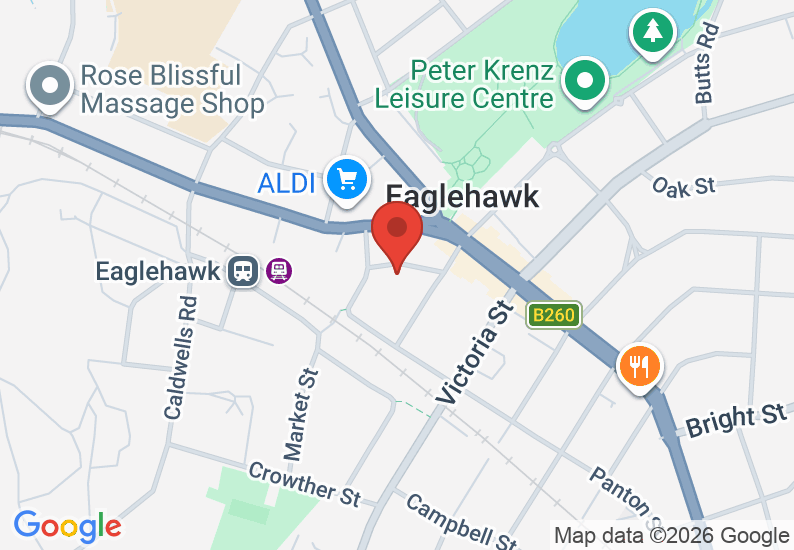
Bendigo Community Health Services, 3 Seymoure St, Eaglehawk, Victoria, 3556, Australia
Date
Fri, Oct 23, 2026 10:00 PMTime Fri, Oct 23, 2026 10:00 PM
Fri, Oct 23, 2026 10:00 PM - Sat, Oct 24, 2026 05:00 AM (7h)

About This Event
Diagnosing, Managing & Building Capacity in the Foot & Ankle
About
A hands on course run by Blake. Short theory blocks, then practical stations, then repeat. Guided palpation, surface anatomy, and key clinical tests at every station.
Who this is for
Podiatrists and physiotherapists who want a repeatable framework for assessment, diagnosis, and management across common foot and ankle presentations.
Course overview
Foot and ankle presentations look similar on the surface. The right questions, the right tests, and a clear framework make the diagnosis and the plan much clearer. This course builds clinical reasoning that holds up in the real world, from first consult to return to sport. Learn the concept, practise it immediately, then build complexity.
Learning objectives
By the end of the day you will be able to:
- Apply a simple framework to move from presentation to diagnosis, contributing factors, and management
- Ask targeted subjective questions to improve diagnostic confidence and identify red flags
- Perform key below knee tests and interpret findings
- Differentiate tendon presentations and adjust loading accordingly
- Write and troubleshoot orthotic prescriptions across different shoe types
- Build progressive rehab plans with clear readiness testing
- Communicate plans, costs, and expectations clearly
Core principles
- Frameworks for clinical practice and complex cases
- Minimum effective dose across footwear, rehab, and running load
- Understanding pain and translating it into practical communication
- Seeking and providing second opinions. When to escalate and what to ask
- Communicating podiatry's role in collaborative MSK care
- Turning biomechanics into decisions, not noise
Communication
- Communicating with someone in pain
- Subjective questioning for diagnostic clarity
- Communicating with GPs, sports doctors, and orthopaedic surgeons
- Discussing treatment plans, costs, and value
Assessment and diagnosis (practical stations)
- Building a history that informs your testing plan
- Hands on palpation and surface anatomy: shin, ankle, medial foot, lateral foot
- Key clinical tests, what they actually tell you, and common pitfalls
- Linking subjective findings to test selection
Tendon
- Tendon load response and what changes with rehab. Stiffness and modulus shift, morphology mostly doesn't
- Why pain-guided progression can outrun tissue adaptation
- Differentiating tendinopathy from bone stress, nerve, joint, and plantar plate
- Insertional vs midportion Achilles, and why the plan changes
- Tibialis posterior, peroneals, plantar fascia, FHL. Palpation and load testing
- Loading principles that hold across tendons: heavy, slow, low volume, high strain
- Dosing in clinic. Sets, reps, RIR, tempo, and writing it so patients follow it
- Progressing to energy storage and release, and testing readiness
- Managing flare-ups without abandoning the plan
- Adjuncts. Where shockwave, injections, and isometrics fit
- Timelines and expectation setting
Foot orthoses
- What orthoses do and don't do. Mechanism, comfort, and the honest evidence
- Matching device to presentation, not to foot type
- Prescription writing. Shell, posting, additions, and the variables that matter
- Prefabricated vs customised prefabricated vs custom, including cost conversations
- How prescriptions change across running shoes, work boots, football boots, open-toed, and minimal
- Orthoses and footwear interaction. Common mismatch errors
- Practical station: casting, scanning, grinding, padding, chairside adjustments
- Troubleshooting the uncomfortable device with a structured process
- Review appointments. What to check and when
- Advanced options: Richie brace, carbon plates, AFOs, aero spring devices
- Who responds best. Patellofemoral pain, plantar heel pain, forefoot presentations
Condition focused discussions
- Plantar heel pain
- Patellofemoral pain
- Osteoarthritis
- Medial tendon pain including tibialis posterior
- Lateral tendon pain, peroneals and lateral ankle complex
- Ankle joint pain
- Forefoot pain: metatarsalgia, plantar plate, sesamoids
Rehabilitation and return to activity
- Load management and progression rules
- Rehab principles for the foot and ankle. It doesn't need to be complicated
- Exercise ideas to load the lower limb
- Return to volume and intensity, testing, and readiness
- How to write a running program
- Evidence-based practice and what an integrated approach actually looks like
- Case discussion and Q&A.
->Bring real cases to discuss
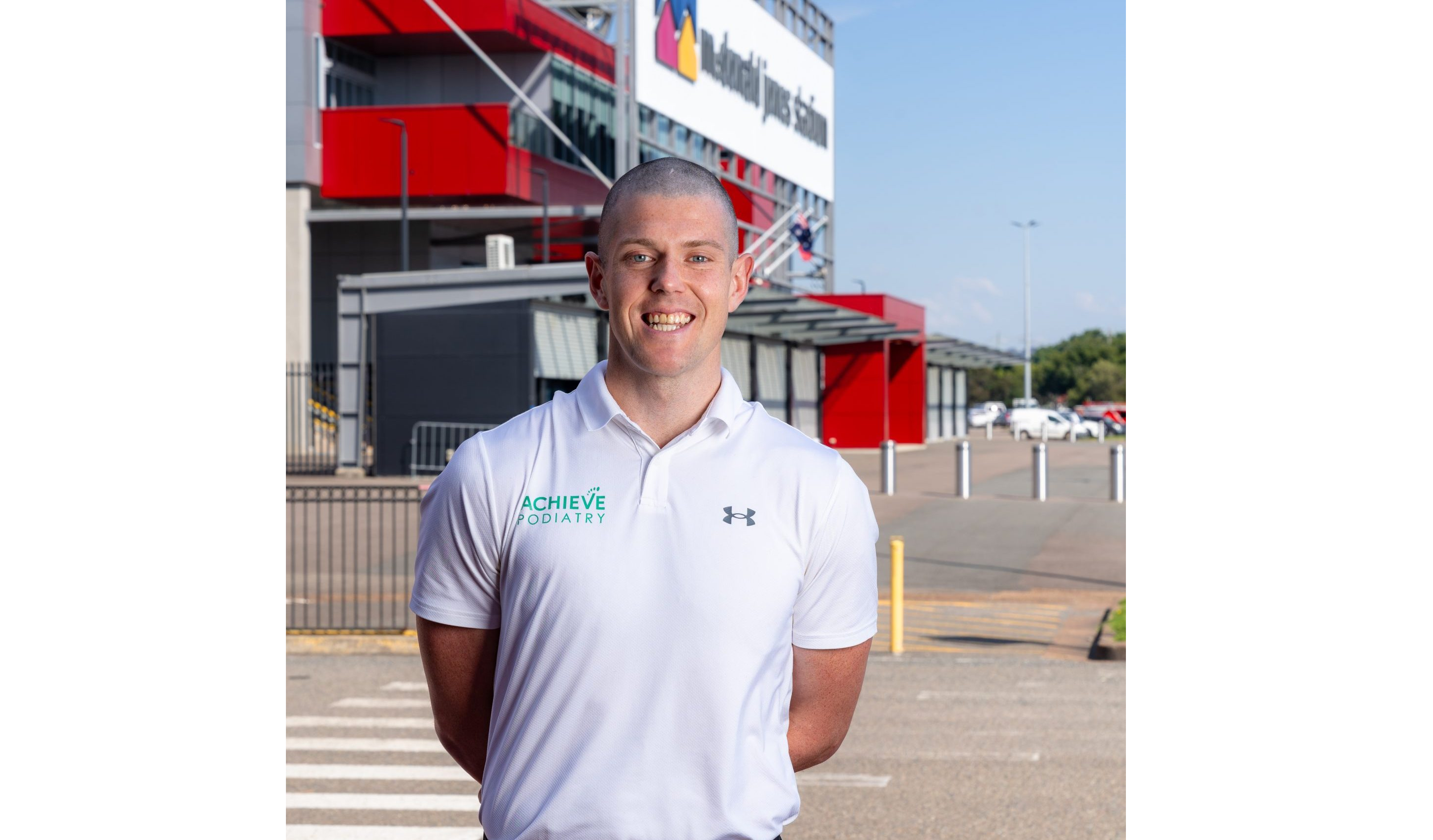
About Blake Withers
Podiatrist / PhD Candiate / Educator / International Presenter
Blake is a experienced podiatrist with an enthusiastic mindset towards patient care. He teaches to health professionals around the world & in Australia presenting on pain, rehab, running injuries, footwear and how to manage lower limb pathology. He is currently studying a PhD to help endurance and Running Athletes prevent and better manage Injuries
He has completed both his degree in Podiatry in addition to a postgraduate study where he graduated with first class Honours. He has papers published and submitted for publication currently.
He works with the University Lecturing, teaching, mentoring and educating students in rehab, biomechanics and pain as a clinical educator. He has delivered presentations to the international and Australian Podiatry Association platforms in addition to the Sports and Exercise Podiatry Australia association while hosting his podcast, 'The Sports Medicine Project,' which ranks in the top 5% of the most listened-to podcasts worldwide. He gets to speak to experts around the world in musculoskeletal medicine which helps him in his clinical practice with people.
Blake has several years of experience treating exclusively kids. He has collaborated with paediatric physiotherapists and occupational therapists on complex neurological and musculoskeletal cases which has been invaluable.
He also has a passion for endurance athletes and in particular, runners. He currently continues to train for marathons, triathlons, and Ironman events and presents on the topic of Running injuries for Sports Medicine Australia.
Location
Location
Bendigo Community Health Services, 3 Seymoure St, Eaglehawk, Victoria, 3556, Australia
Get DirectionAbout Organizer


Share