RECURRING
4
DATES
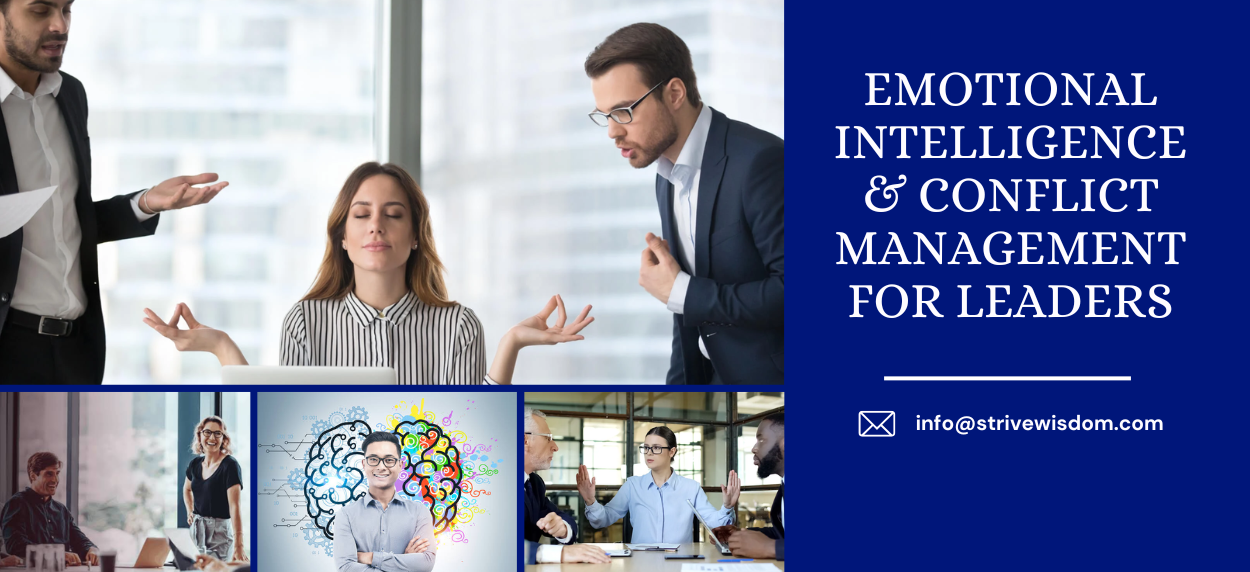
Emotional Intelligence & Conflict Management for Leaders – Melbourne
Location
Hoddle Street, Hoddle St, Level 4 & 5, Abbotsford, Victoria, 3067, Australia
Date
Multiple DatesTime Mon, Oct 19, 2026 10:00 PM

About This Event
• Instructor-led classroom training
• Duration: 1 Full Day (8 Hours)
• Delivery Options: Attend in Person / Request Virtual Session / In-House Session
• Language: English
• Credits: 8 PDUs/Training Hours
• Certification: Course Completion Certificate
• Refreshments: Enjoy Complimentary Refreshments (Beverages, Lunch, and Snacks are included)
Course Overview
Effective leadership depends on how well leaders understand emotions, communicate with others and respond to disagreement. Workplace conflicts can arise from differences in priorities, communication styles, expectations and perspectives. This course explores emotional intelligence and conflict-management practices that help leaders build stronger working relationships, handle difficult conversations constructively and create a more collaborative team environment.
Learning Objectives
• Explain the core principles of emotional intelligence and their importance in leadership.
• Improve self-awareness and recognise personal emotional triggers.
• Apply emotional regulation techniques during challenging workplace situations.
• Demonstrate empathy and active listening in professional interactions.
• Identify common causes and patterns of workplace conflict.
• Use constructive approaches to manage disagreements and difficult conversations.
• Communicate more effectively across different perspectives and working styles.
• Support collaborative, respectful and resilient team environments.
Target Audience
• New and experienced managers
• Team leaders and supervisors
• Department heads and business unit leaders
• Emerging leaders
• HR and People & Culture professionals
• Project and team coordinators
• Professionals who regularly manage workplace relationships or conflict
Want to train your entire team?
Organisations can request an in-house session tailored to their workplace environment, leadership responsibilities, communication challenges and team-development requirements.
This course is also available across multiple cities in Australia, including Canberra, Sydney, Adelaide, Brisbane, Perth, and other major cities.
For any questions or assistance, please contact us at info@strivewisdom.com
© 2026 StriveWisdom. All Rights Reserved.
Course Modules
Module 1: Foundations of Emotional Intelligence
• Understand the key components of emotional intelligence and their relevance to leadership.
• Explore the connection between emotions, behaviour, communication and workplace relationships.
• Recognise how emotional awareness can influence leadership interactions and decisions.
• Icebreaker
Module 2: Self-Awareness and Emotional Regulation
• Identify personal emotional triggers and behavioural patterns.
• Explore techniques for managing emotional responses in challenging workplace situations.
• Develop greater self-control and composure when dealing with pressure or disagreement.
• Hands On Activity
Module 3: Empathy and Relationship Management
• Understand the role of empathy in effective leadership and workplace relationships.
• Practise recognising different perspectives, emotions and communication needs.
• Strengthen trust, rapport and cooperation within diverse teams.
• Role Play
Module 4: Communication for Conflict Prevention
• Explore communication behaviours that can prevent misunderstandings and escalation.
• Use active listening and constructive questioning to improve workplace conversations.
• Adapt communication approaches to different people, situations and emotional responses.
• Workshop Exercise
Module 5: Understanding and Managing Workplace Conflict
• Identify common causes, types and stages of workplace conflict.
• Explore constructive approaches for addressing disagreements before they escalate.
• Recognise the impact of unresolved conflict on relationships, collaboration and performance.
• Case Study
Module 6: Leading Difficult Conversations
• Prepare for conversations involving disagreement, performance concerns or competing expectations.
• Use emotionally intelligent approaches to remain respectful and focused during challenging discussions.
• Develop strategies for finding practical outcomes while maintaining professional relationships.
• Simulation
Module 7: Building Collaborative and Resilient Teams
• Apply emotional intelligence principles to strengthen team cooperation.
• Encourage respectful dialogue, psychological safety and constructive feedback.
• Develop leadership practices that support healthier responses to future workplace conflicts.
• Group Discussion
Location

About Organizer



Share